Malaga Airport Terminals: Layout & Tips
Malaga Airport terminals currently function as a unified, highly efficient transit complex that serves as the primary gateway for millions of travelers visiting Southern Spain. As of August 2026, the ...
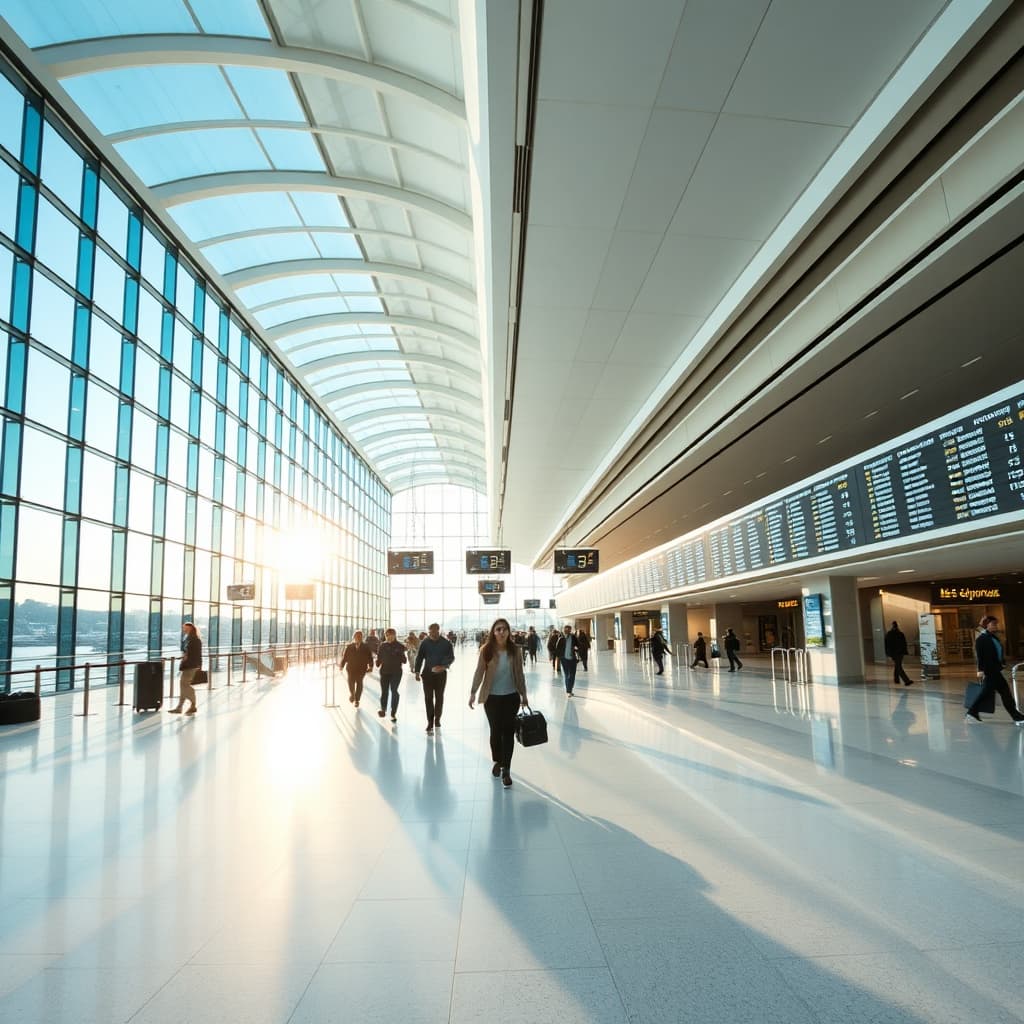
Malaga Airport terminals currently function as a unified, highly efficient transit complex that serves as the primary gateway for millions of travelers visiting Southern Spain. As of August 2026, the airport infrastructure is centered on the integrated T2 and T3 hub, which streamlines the passenger experience for both domestic and international arrivals and departures. Understanding the layout of these Malaga Airport terminals is essential for any traveler, as the design is optimized for rapid transit between check-in, security, and boarding gates. While the facility was once segmented into three distinct buildings, the modern configuration consolidates operations to eliminate the need for inter-terminal shuttles. Whether you are arriving on a budget carrier from London or a long-haul flight, you will navigate a singular, logically mapped environment that handles over 30 million passengers annually. By recognizing that Terminal 3 acts as the primary nerve center while Terminal 2 functions as a seamlessly connected extension, you can navigate the airport with total confidence and minimal stress.
Key Takeaways
- Malaga Airport operates primarily through an integrated T2 and T3 complex, effectively functioning as a single terminal for all passenger traffic. * Terminal 1 is currently decommissioned for passenger use, leaving T2 and T3 to handle all flight arrivals and departures. * Passengers can move freely between check-in zones and boarding gates within a shared secure area, removing the need for external transit. * The airport layout is linear, designed to minimize walking distances and simplify the process of reaching both Schengen and non-Schengen boarding gates. * Security control waiting times are generally kept under 15 minutes due to the massive capacity of the centralized screening area in Terminal 3.
The Complete Answer: Navigating the Malaga-Costa del Sol Terminal Complex
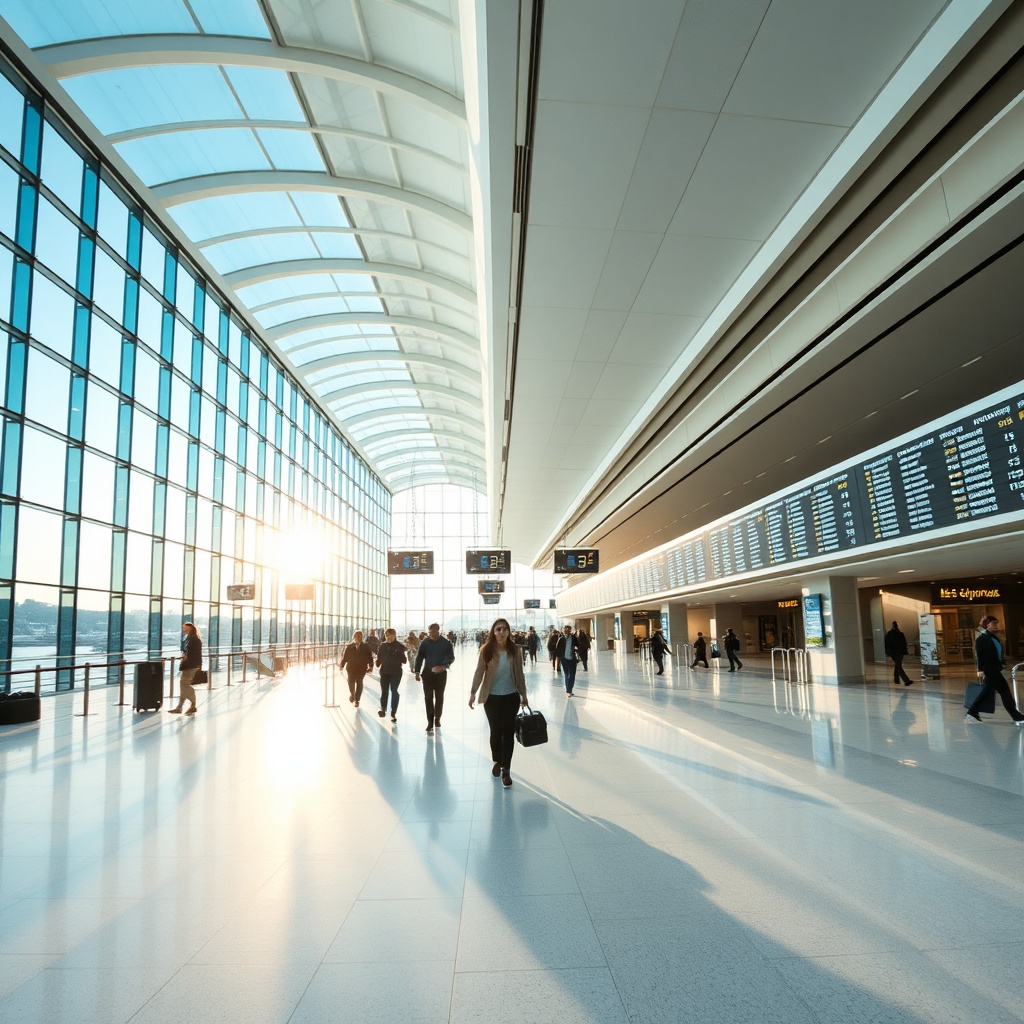
An image capturing the seamless, integrated design of the airport's main terminal building.
The current operational status of the airport is defined by its "Integrated Terminal" model, which effectively merges the legacy Terminal 2 and the modern Terminal 3 into one cohesive structure. This layout ensures that regardless of which hall you check in at, you enter a unified secure zone that provides access to all active boarding gates. You will find that the physical separation between the two buildings is virtually invisible to the traveler, as interior walkways allow for a smooth transition.
Quick Answer: Malaga Airport operates as a single, unified complex where Terminal 2 and Terminal 3 are physically linked. Passengers check in at either building and pass through a shared security checkpoint to reach all boarding gates. This integrated design removes the need for shuttle buses or complex transfers, allowing travelers to move easily between facilities within a single, secure environment that serves the entire Costa del Sol region.
The Malaga airport layout is designed for logical flow, starting with the check-in halls and moving toward the central security screening area. Once you clear security, you enter a vast commercial zone—the primary duty-free shopping area—before heading toward your specific boarding concourse. Gates are categorized by destination: B gates are located in T2, while C and D gates are situated in T3. Because the entire complex is connected, you can walk from the furthest T2 check-in counter to a T3 boarding gate in approximately 10 to 15 minutes.
Terminal 3: The Modern Hub for International Travel
Terminal 3 serves as the primary engine of the airport, handling the vast majority of international, non-Schengen, and large-capacity flights. Designed by architect Bruce S. Fairbanks, the facility was engineered to manage the significant increase in traffic that the Costa del Sol has seen through 2026. The architecture emphasizes natural light and expansive, open spaces, which helps reduce the claustrophobia often associated with high-traffic transit hubs.
Definition: Schengen Area — A zone comprising 29 European countries that have abolished border control at their mutual borders, allowing for the free and unrestricted movement of people.
Beyond its structural capacity, T3 houses the most significant VIP lounges Malaga has to offer, specifically the Sala VIP which provides premium dining and workspaces. The terminal also features an extensive retail footprint, offering everything from local Spanish delicacies to high-end luxury goods. If you are flying to a non-EU destination, you will almost certainly depart from the D-gate pier, which is housed entirely within this modern structure.
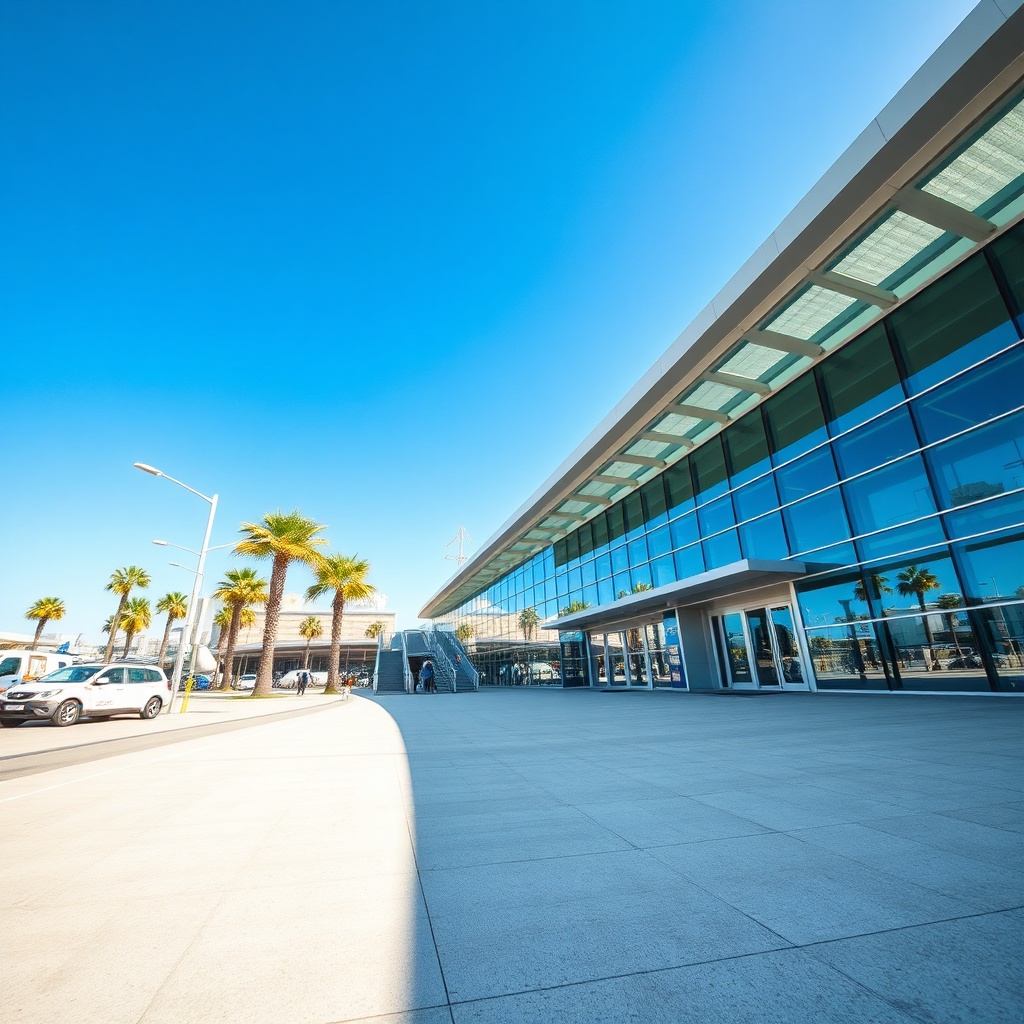
An exterior shot showcasing the unified and modern infrastructure of the airport complex.
Terminal 2: The Gateway for Domestic and Specific European Routes
Terminal 2 continues to play a vital role in the airport's daily operations, functioning as the primary check-in zone for several legacy carriers and many domestic flights within Spain. While it feels more traditional in its aesthetic compared to the soaring ceilings of T3, its functionality remains top-tier. It is particularly useful for travelers flying with airlines that have maintained their check-in counters in the older section of the building.
| Feature | Terminal 2 | Terminal 3 |
|---|---|---|
| Primary Function | Domestic/Legacy Check-in | International/Schengen/Non-Schengen |
| Boarding Gates | B Gates | C and D Gates |
| Architecture | Mid-90s Classic | Modern High-Capacity |
| Security Access | Integrated with T3 | Centralized Screening |
Quick Answer: Terminal 2 serves as an essential check-in wing for domestic flights and select legacy European carriers. While it retains its own distinct check-in hall, it is seamlessly integrated with Terminal 3. Passengers arriving at T2 for check-in simply walk through to the shared security zone, which feeds into the wider boarding concourse, ensuring that your flight status is the only factor that dictates your transit path.
Getting Around: A Step-by-Step Guide to Terminal Transfers
Because the airport is a single, integrated complex, you do not need to worry about traditional terminal transfers. If you have a connecting flight, you are already in the right place. Simply follow the signage for "Connections" or "Transfer" if you are arriving from a non-Schengen country and need to pass through passport control.
- Arrive at the check-in level in either T2 or T3.
- Complete your check-in and luggage drop process at your airline's designated counter.
- Proceed to the central security checkpoint, which is clearly marked and located between the two terminal zones.
- Pass through the automated boarding pass scanners and security screening lines.
- Follow the digital signage to your specific gate, keeping in mind that B gates are to the left, and C/D gates are to the right.
- If you require assistance, use the airport transfer services provided by Aena for passengers with reduced mobility.
Ground Transportation and Terminal Access
Connectivity between the airport and the city center is exceptionally efficient, with public transport links located directly outside the T3 building. The Malaga airport train (Cercanías line C-1) provides a direct link to Malaga Centro-Alameda station, with trains departing every 20 minutes throughout the day. This station is located underground, directly accessible via an elevator or escalator from the T3 arrivals hall.
Definition: Cercanías — The brand name used for the suburban railway services in Spain, operated by Renfe, which connect major city centers with their metropolitan airports and surrounding suburbs.
For those using rental cars, the consolidated rental car hub is located in the parking structures adjacent to the terminals. You can reach this hub by walking through the covered pedestrian walkways that connect the terminal buildings to the main parking garage. This centralization ensures that returning a vehicle and walking to your check-in counter takes less than 5 minutes, significantly reducing the stress of departure logistics.
Frequently Asked Questions
Is Terminal 1 currently open to the public? No, Terminal 1 is currently inactive for all passenger operations. All traffic is routed through the integrated T2 and T3 complex to ensure maximum efficiency and ease of navigation for travelers.
How much time should I allow for security checks at AGP? For flights within the Schengen area, it is recommended to arrive 2 hours before your scheduled departure. If you are flying to a non-Schengen destination, allow 3 hours to account for potential passport control queues.
Are the terminals connected by a shuttle bus? No, there is no shuttle bus service because the terminals are connected by internal, climate-controlled walkways. You can walk between any point in the terminal complex within 15 minutes.
Where is the lost and found office located within the terminal complex? The lost and found office is situated in the arrivals hall of Terminal 3. It is open daily and handles all items misplaced within the terminal buildings or at the security screening checkpoints.
Conclusion
Navigating the Malaga Airport terminals is a straightforward process thanks to the airport’s commitment to an integrated, passenger-focused design. By consolidating operations into a single, seamless hub, the airport ensures that your journey from check-in to your boarding gate remains efficient, regardless of your destination. The combination of easy-to-follow signage, rapid security screening, and direct rail links makes this one of the most accessible airports in Southern Europe. As you plan your trip for 2026, remember that you are navigating a unified complex where T2 and T3 work in perfect harmony to get you to your flight on time. Whether you are arriving for a holiday or departing after a stay on the Costa del Sol, the intuitive layout allows you to spend less time worrying about logistics and more time enjoying your travel experience. To ensure your departure is as smooth as possible, please verify your gate and terminal assignment on the official airport website or your airline's app 24 hours before your flight. For travelers interested in wider regional connectivity, Rabat’s New Airport Terminal: A Gateway to the Future products offer a look at similar modernizations, while those seeking broader advice can explore Airport-Specific Layover Guides products to maximize their time during transit.